WBS Review
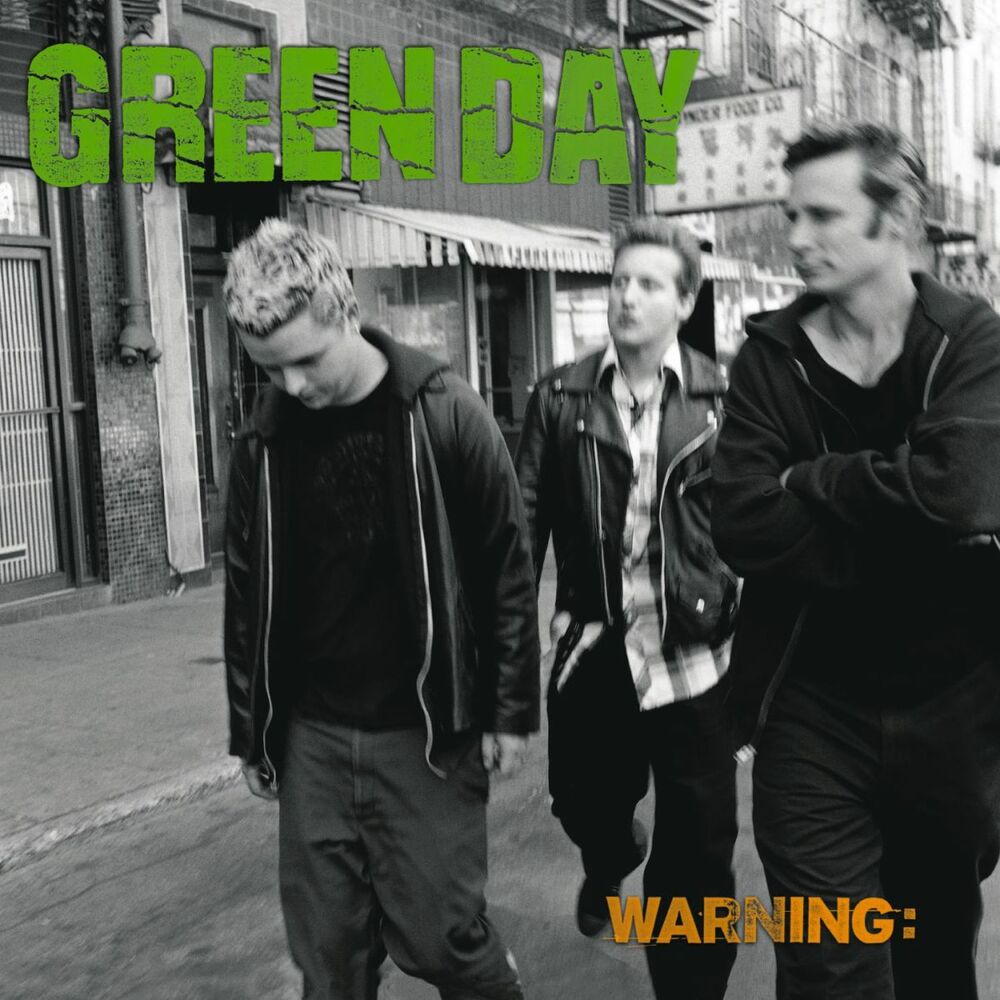
Warning by Green Day
Green Day’s Warning retains urgency without sacrificing craft
By WorldBestSong · Published
Written with AI assistance and published by WorldBestSong. Read how we review.
WBS rating
4.0out of 5
The band delivers a potent shot of energy and angst, maintaining their signature sound while subtly expanding their sonic palette.
We publish a full WBS Review only for songs we rate 3 stars or higher (3 = solid, 4 = great, 5 = essential). A song without one hasn't been rated low; it just hasn't been reviewed yet.
Listeners
Not rated by listeners yet.
The listener rating is separate from ours and is never changed by a WBS Review. Rate it yourself →
Warning arrives at a point in Green Day's career where they are attempting to reconcile youthful rebellion with a growing maturity; it is not a straightforward return to the simplicity of Dookie but neither does it fully embrace the sprawling ambitions of Shenanigans. The production, overseen by Butch Walker, leans into a cleaner aesthetic than earlier albums, allowing for greater clarity in the guitars and drums – less deliberately raw, more precisely articulated. This shift doesn’t sacrifice any of the band’s inherent intensity; rather, it provides a sharper focus on the songwriting itself, revealing layers that might have been obscured within denser mixes previously employed.
Lyrically, Warning explores themes of disillusionment and societal anxieties prevalent during the late nineties and early two-thousands. Billie Joe Armstrong's vocals retain his characteristic snarl and sardonic wit, yet there’s a palpable sense of weariness underlying many of the narratives. While avoiding overt political statements, the songs grapple with feelings of alienation and frustration regarding the state of the world. The arrangements often incorporate dynamic shifts—quiet verses building to explosive choruses—which effectively amplify the emotional weight of the lyrics without resorting to predictable punk rock tropes. There is a consistent energy throughout, carefully controlled despite its apparent chaos.
The instrumentation remains firmly rooted in power pop sensibilities, bolstered by Mike Dirnt’s driving bass lines and Tre Cool’s propulsive drumming. Guitars are prominent, offering both crunchy rhythmic support and melodic counterpoints. The interplay between Armstrong’s lead guitar work and Dirnt’s bass creates a solid foundation upon which the song builds. What distinguishes this recording from earlier Green Day material isn't necessarily novelty but an increased attention to detail – subtle harmonic choices and more sophisticated chord progressions add depth and complexity to familiar sonic structures. This allows for greater nuance in the vocal performance; it sits comfortably atop the music rather than fighting against it.
Perhaps the most memorable moment arrives at the bridge section where the tempo momentarily slows and the guitars take on a slightly heavier tone. It acts as a brief respite before launching back into the final chorus. Here, there's a palpable sense of release that underscores the underlying tension within the track itself. While not radically different from other elements of their catalogue, this shift demonstrates a willingness to experiment with dynamics and arrangement. Its impact lies less in grand innovation and more in skillful execution—a testament to the band’s continued growth as musicians.
Warning is best suited for those who appreciate energetic rock music with intelligent lyrics and thoughtful arrangements. Fans of bands like Blink-182 or Sum 41 may find common ground here, although Green Day offers a darker, more introspective perspective. Those seeking pure punk aggression might be surprised by the measured approach taken throughout much of Warning, while listeners new to the band should consider this album as a gateway into their broader discography. There are elements to appeal to both longtime devotees and casual listeners alike.
Ultimately, Warning stands as a significant entry in Green Day’s body of work: an album that acknowledges its past while subtly pushing forward creatively. The production choices reveal a band unwilling to simply rehash previous successes; they have sought instead to refine their sound and expand their lyrical scope. Though it does not reach the heights of Dookie, Warning remains a compelling and consistently engaging listen – proof that even established artists can evolve without abandoning their core identity.
Pros
- Tight instrumentation
- Thoughtful lyricism
- Dynamic song structures
- Clean and focused production
Cons
- Lacks some raw energy
Mood:drivingangstlate-nightrebellious
What do you think?
Read listener reviews of Warning and add your own rating.
Spotted an error? Report a problem with this review and we'll correct or withdraw it.